special-body-image

(Facial) somatosensory distortions: Assessment and Treatment

Assessment and treatment of somatosensory (facial) distortions.

ONLINE course: Introductory course 1

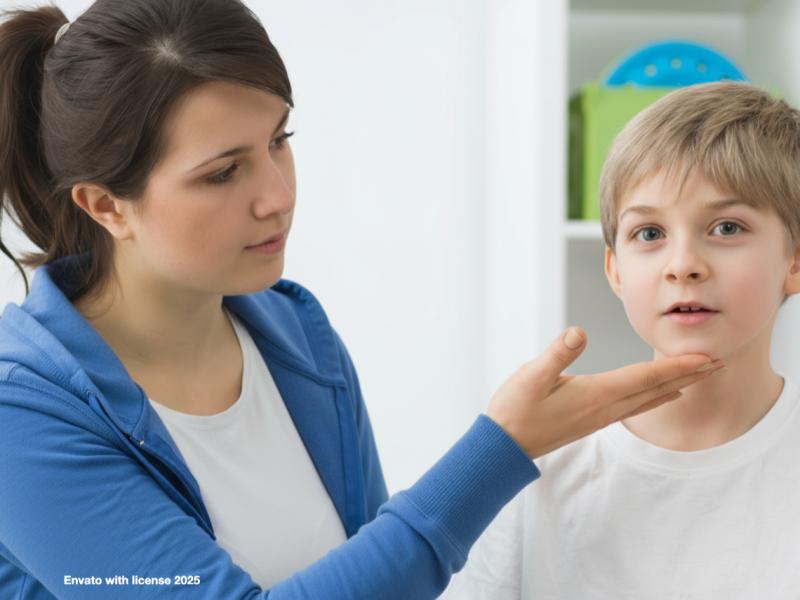
Image3This online course discusses the characteristics and causes of orofacial sensorimotor distortions. Examples of conditions such as TMD, head, neck and face disorders, facial paralysis, etc. are then given.

The Myfacetraining group offers an online course in German and English lasting twice 3.5 hours on the background of the

  • Illustration of changes in body sensation ("body dysfunction"), testing procedures and rehabilitation in general.
  • Illustrates the functions of the most important basic emotions and left/right facial recognition in our daily lives.
  • The consequences of dysfunction are explained using clear examples and external evidence.
  • Systematic training of facial emotions and laterality is presented with the help of face mirroring software.
  • Practicing and explaining techniques and treatment strategies using various patient examples.

Duration: 3.5 hours

The participants receive:

  • A link to use the Myfacetraining program free of charge for 6 weeks.
  • A course script and supporting articles.
  • 10 % discount on the "Long life" program.
  • A certificate of participation in the course.

See website; www.myfacetraining.com

Course dates:

  • German: March 24 and June 16, 2025, each 18.30- 22.00 CET
  • English: May 31, 2025, 9.00-12.30 CET

Another option is to organize an internal online course (in company). With a minimum of 4 participants, the course can be held at a time of your choice. Please contact @

20 CRAFTA® accreditation points


(Facial) somatosensory distortions: Assessment, training and rehabilitation. New approaches in neuromusculoskeletal therapy

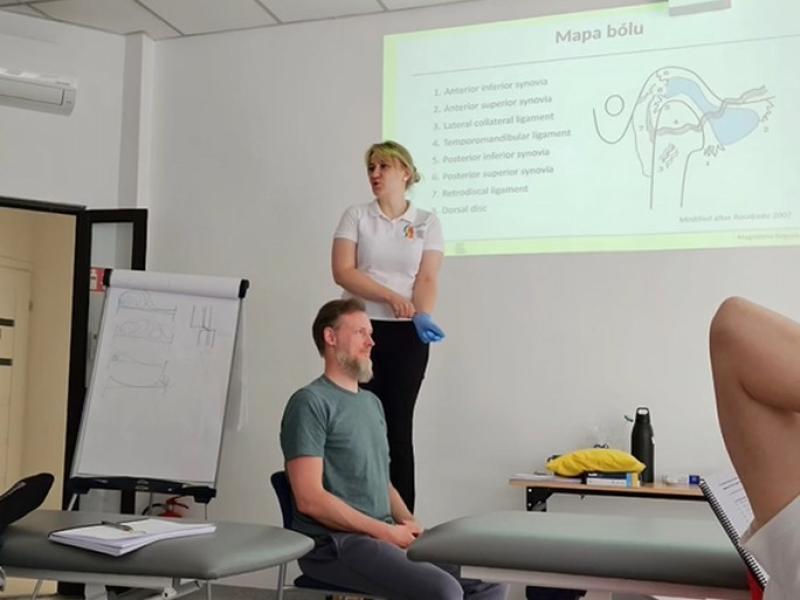
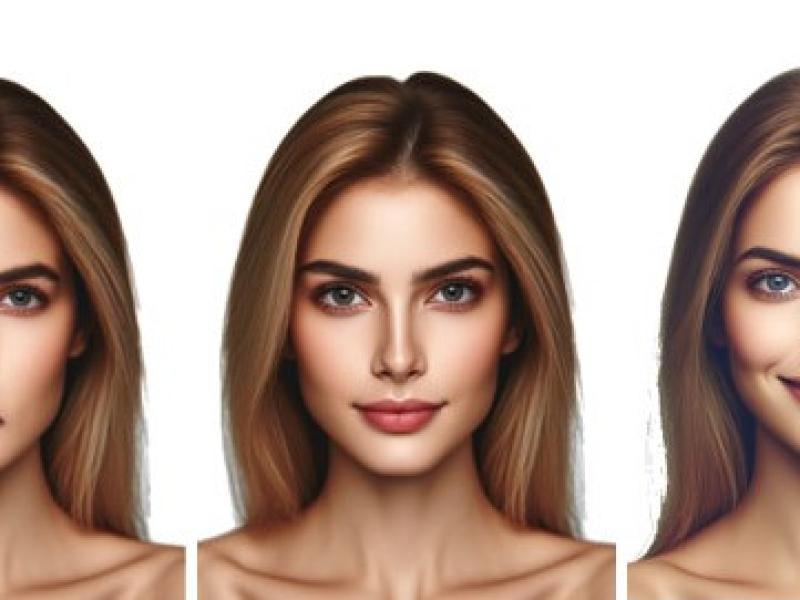
Image43-day practical course

Contents

  1. Functions of basic emotions and facial side recognition in everyday life
    Presentation of the central functions of the most important basic emotions and the role of left/right facial recognition in everyday life.
  2. Neurobiological mechanisms and rehabilitation
    In-depth investigation of the neurobiological mechanisms of somatosensory distortions in the face and their significance for rehabilitation.
  3. Somatosensory disorders of the face (FSSD)
    Description of the characteristics of facial somatosensory disorders (FSSD), suitable testing methods and general rehabilitation approaches.
  4. Consequences of dysfunctions
    Explanation of the effects of dysfunctions using illustrative examples and external evidence.
  5. Systematic assessment and exercises.
    Structured assessment of facial laterality, basic emotions and exercises with the MyfaceTraining software.
  6. Training guidelines and exercises
    Recommendations for training and specific exercises.
  7. Supporting manual facilitation techniques
    Manual facilitation techniques for the facial muscles and the neurodynamics of the facial, trigeminal and hypoglossal nerves.
  8. Practical exercises and treatment strategies
    Practical teaching of techniques and treatment strategies using various case studies of patients.

Patient target groups

  • Neurological patients: Examples include people with facial paralysis, Parkinson's disease and orofacial dystonia.
  • Orofacial dysfunctions, temporomandibular disorders (TMD) and pain treatment.
  • Patients following facial trauma: including concussions and head injuries.
  • Chronic pain patients: Especially in the arm, neck, throat and facial area.
  • Support of facial symmetry: Postoperative and skeletal treatments of facial symmetry.
  • Patients with alexithymia: difficulties in recognizing and expressing emotions.
  • Patients with kinesiophobia and dysmorphophobia: disorders related to body perception.

Target audience

  • Physiotherapists, occupational therapists, speech therapists and psychologists.

Number of participants

  • Minimum: 8 participants
  • Maximum: 24 participants

Course dates:

Preparation

  • Participants receive a free 3-month software license for MyFaceTraining (MFT), which is made available one week before the start of the course.
  • A digital handout will also be made available one week before the course.

Lecturer: Harry von Piekartz, PhD, MSc ,BSc PT, MT(OMPT)

Click Course Banner 1900 5

Address & Mail

CRAFTA ®
(Cranio Facial Therapy Academy)
c/o FiHH Das Fortbildungsinstitut

Hammerbrookstraße 69 20097
Hamburg Germany

Contactform or @

Crafta® course / kurs

Click here and find a Crafta® course
Klicken Sie hier und finden Sie einen Crafta®-Kurs

Search CRAFTA® - Cranio Facial Therapy Academy

We do it for you!

Man Footer